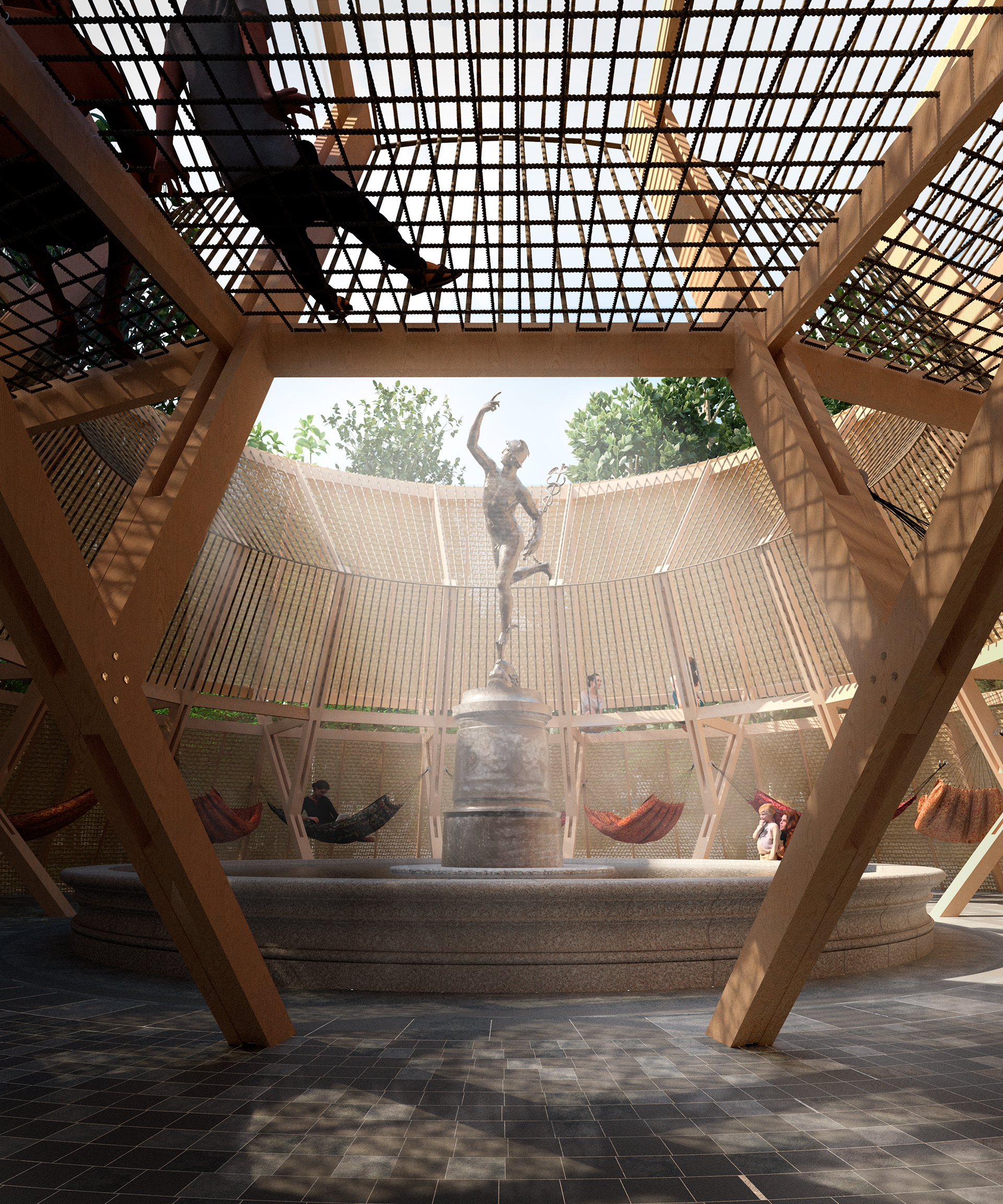
Alejandro Guadarrama studied architecture at the Universidad Autónoma Metropolitana (UAM) in Mexico City and the Technische Universitat Berlin (TU Berlin). He worked for Norman Foster, Bjarke Ingels and Fernando Romero, establishing a design methodology based on a sustainable, human-scale and adaptive architecture that fosters community interaction and blends seamlessly into its surroundings with experience across Mexico City, Berlin, New York City and London.
His approach transforms buildings from isolated objects into “socialtecture”, acting as active organizers of daily life that blend into the local site; socially, ecologically, and aesthetically.

An architecture defined by context
Alejandro Guadarrama Architects evaluates the specific opportunities of every project, collaborating with clients to mediate their ambitions with the wider socio-cultural, ecological and physical context to create buildings and places of lasting value. Rather than fixed formal ideas, the practice's work is unified by its focus on the quality of process and discourse, and an ability to establish an environment through which a robust design can emerge.
Urban integration and relationship
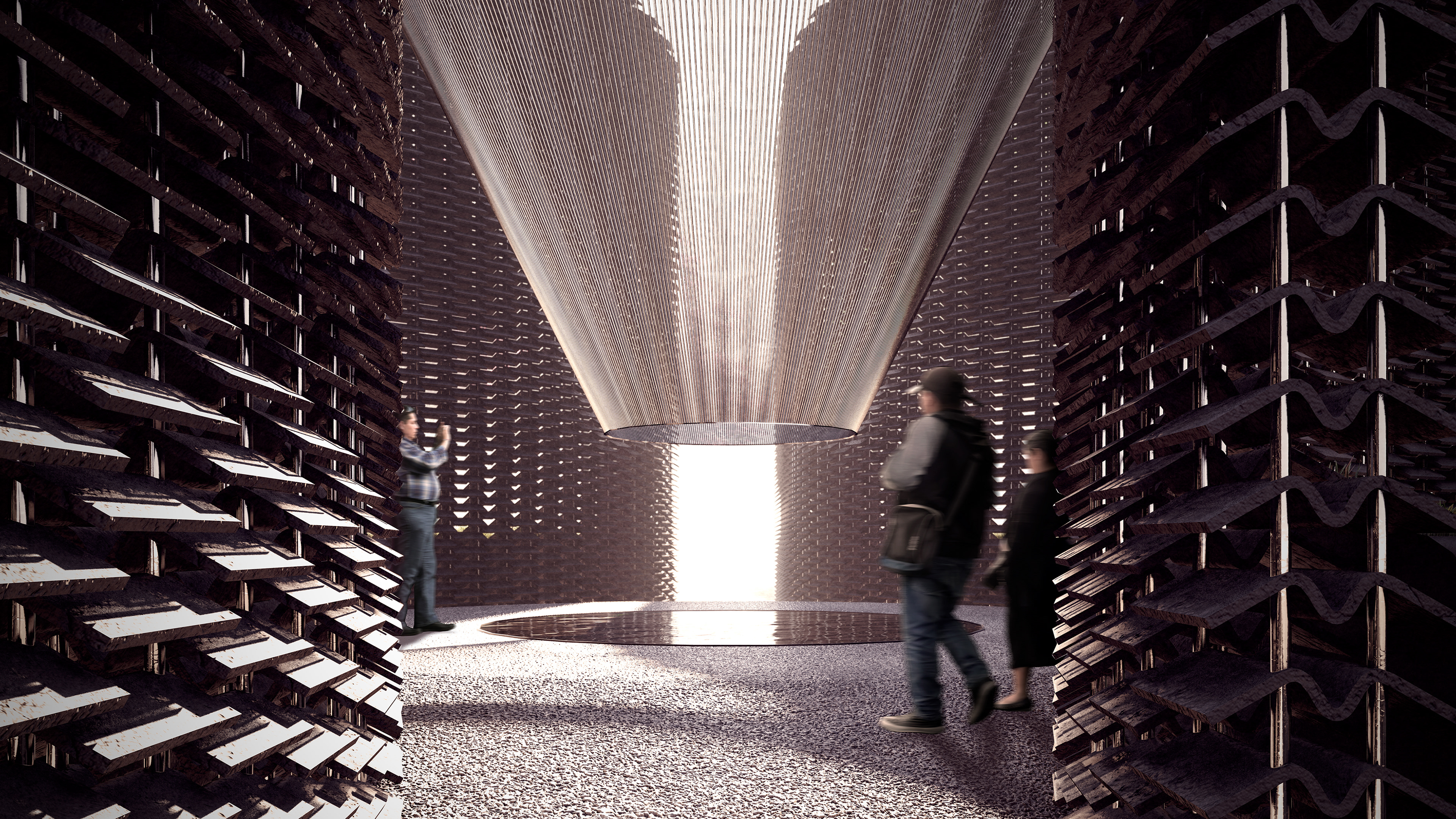
The vitality of urban spaces relies on the density and diversity of peoples, cultures and activities, their interactions and the overlapping of public and private, old and new. Through its architectural projects, Alejandro Guadarrama Architects actively seeks to understand and protect these complexities, establishing dialogues and mediating the ambitions of a project with the collective idea and form of a city. The practice seeks to actively contribute towards a civic and social infrastructure which generates a relationship between the user and the building through its work.